- The Shift AI
- Posts
- NVIDIA’s next move is owning how AI runs
NVIDIA’s next move is owning how AI runs
Plus, 💪Manus and Picsart push AI into daily operations, How to Get SOC 2 compliant without the manual work, and more!
In partnership with


Welcome back to The Shift. Let’s get straight to what matters in AI today…
Today we have:
⚡ NVIDIA Redefines AI Infrastructure Economics
💪How to Get SOC 2 Compliant Without the Manual Work
🤖 AI Agents Start Doing Real Work
🔨Tools and Shifts you cannot miss
⚡ NVIDIA Redefines AI Infrastructure Economics
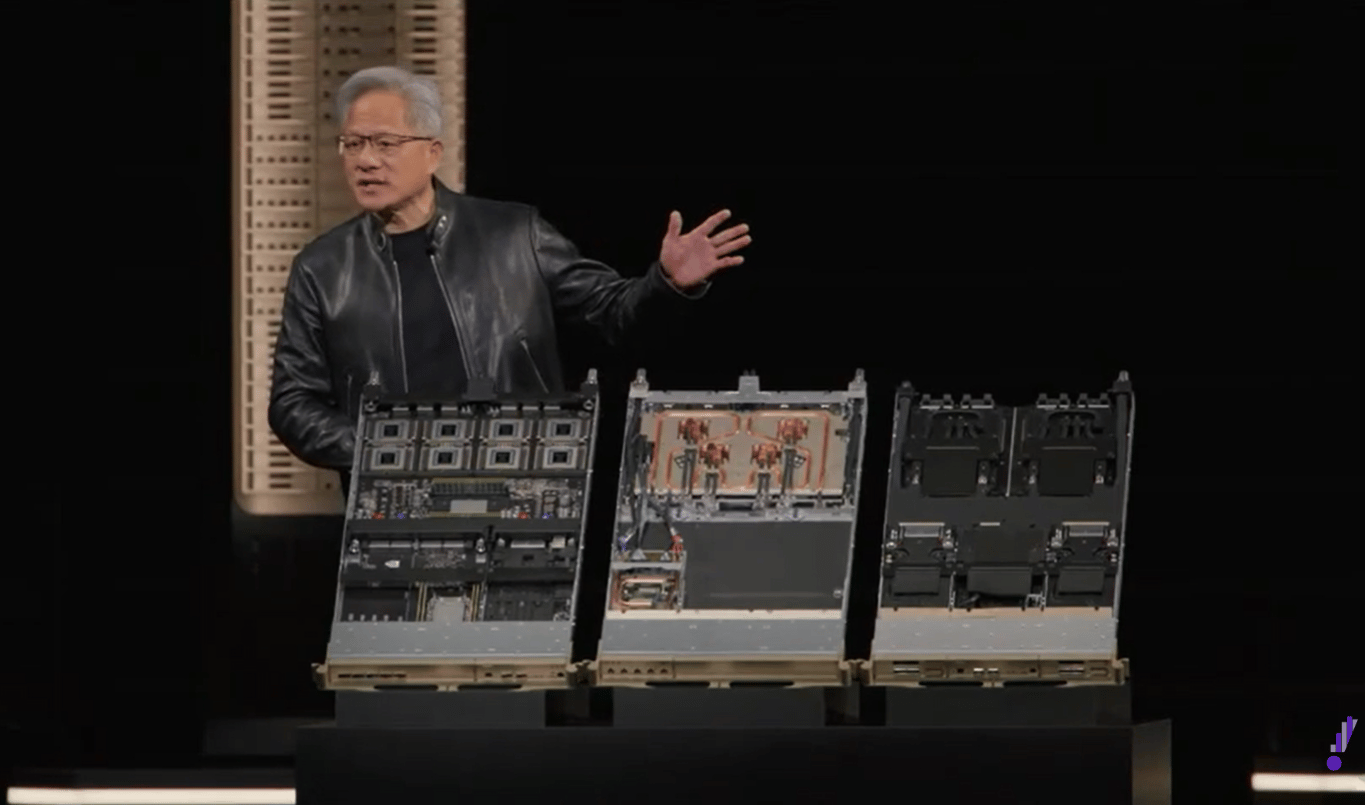
NVIDIA’s GTC 2026 shows AI demand scaling rapidly, with projections hitting $1 trillion by 2027 and compute growing 40 million times in a decade. The focus is shifting toward running AI efficiently using large integrated systems.
The Shift:
1. AI System Upgrade - Vera Rubin is NVIDIA’s new AI supercomputer platform combining GPUs, CPUs, and the Groq 3 LPX inference chip that runs AI queries, delivering up to 50x more output per power efficiently.
2. Agent Systems Rise - NVIDIA introduced NemoClaw as a secure, enterprise-ready layer on top of OpenClaw, adding controls to prevent data leaks and unsafe execution. OpenClaw acts like an operating system, helping companies deploy and manage agents safely across workflows.
3. AI Factory Layer - Dynamo 1.0 now runs as the operating system for AI factories, boosting Blackwell inference up to seven times, alongside launching the Nemotron coalition that builds open models with partners like Mistral, Cursor, and Perplexity.
4. Real World Expansion - NVIDIA also announced expansion into real-world AI with robotaxis planned across 28 markets, simulation-trained robotics like Disney’s Olaf, DLSS 5 neural rendering, and a Vera Rubin-powered AI module heading to space.
Independent benchmarks suggest NVIDIA may be lowballing its own numbers, with Jensen openly agreeing that results could be higher. If true, the real efficiency gains are even bigger, meaning early adopters could quietly build massive cost and revenue advantages.
Together with Gladly.ai
The AI your stack deployed is losing customers.

You shipped it. It works. Tickets are resolving. So why are customers leaving?
Gladly's 2026 Customer Expectations Report uncovered a gap that most CIOs don't see until it's too late: 88% of customers get their issues resolved through AI — but only 22% prefer that company afterward. Resolution without loyalty is just churn on a delay.
The difference isn't the model. It's the architecture. How AI is integrated into the customer journey, what it hands off and when, and whether the system is designed to build relationships or just close tickets.
Download the report to see what consumers actually expect from AI-powered service — and what the data says about the platforms getting it right.
If you're responsible for the infrastructure, you're responsible for the outcome.
💪How to Get SOC 2 Compliant Without the Manual Work
Still chasing screenshots and babysitting integrations? Here's a faster way.
Step 1: Connect your stack: Link AWS, GitHub, and your existing tools. Delve's AI auto-collects evidence across your infrastructure from day one, nothing manual.
Step 2: Let the AI Copilot run: It monitors your compliance posture continuously, flags gaps, and keeps everything audit-ready without you touching it.
Step 3: Automate security questionnaires: When enterprise prospects send security reviews, Delve fills them out automatically using your existing compliance data. No bottleneck. No back and forth.
Step 4: Migrate for free: Delve handles the full migration from your current SOC 2 tool. Zero-touch. No disruption. No starting over.
Step 5: Get audit-ready and close faster: Compliance runs on autopilot. Audits move quicker. Enterprise deals stop stalling on security reviews.
Bland unlocked $500K ARR in 7 days after switching. 11x closed enterprise deals faster. micro1 scaled without adding headcount.
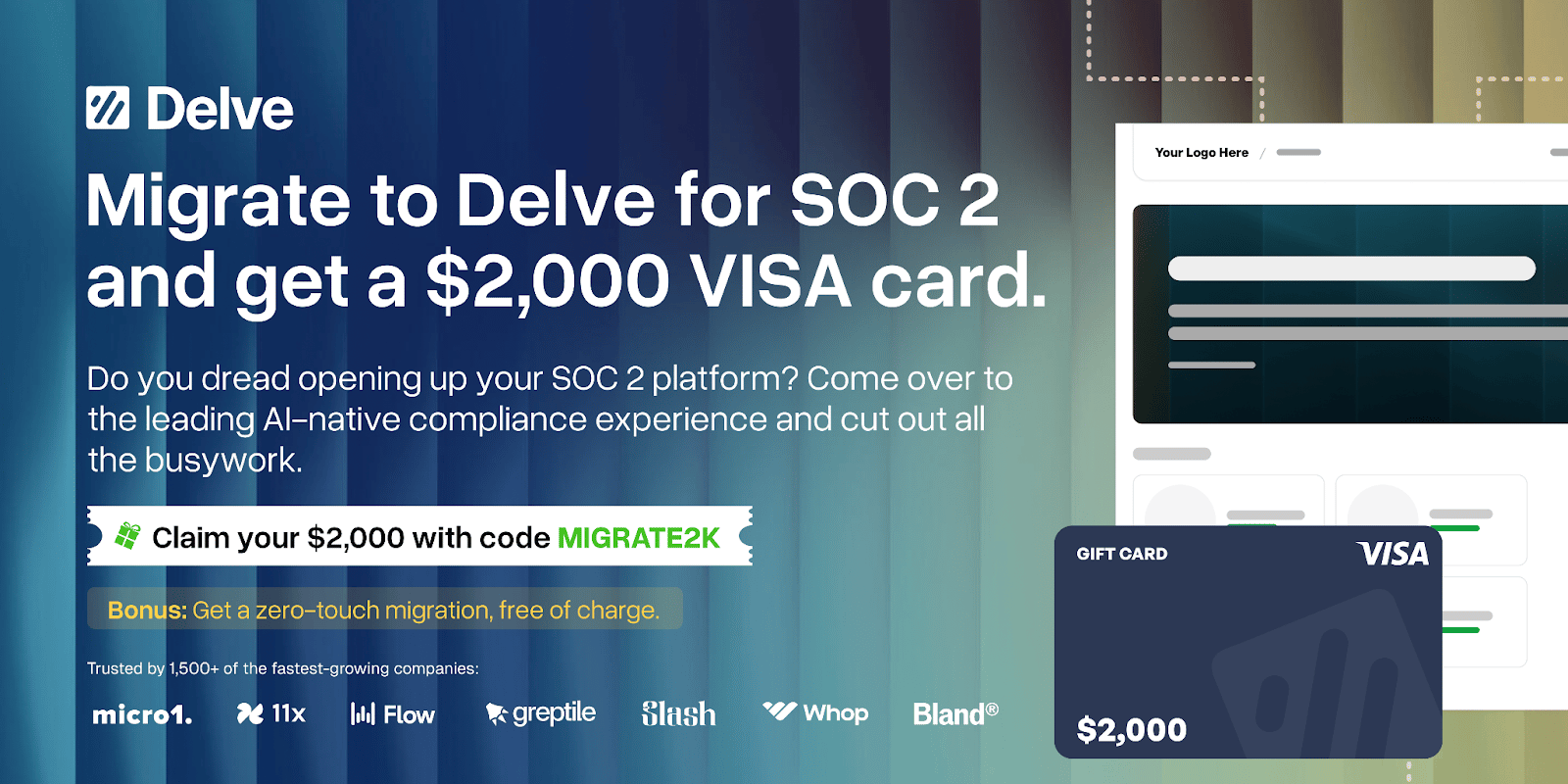
Migrate now and get a $2,000 VISA card straight to your inbox upon onboarding. You can book a demo here.
🤖 AI Agents Start Doing Real Work
AI agents are moving beyond chat interfaces into systems that can execute tasks across devices and platforms. New launches from Manus and Picsart show how agents are becoming active operators in both personal workflows and creator ecosystems.
💻 Manus Goes Local
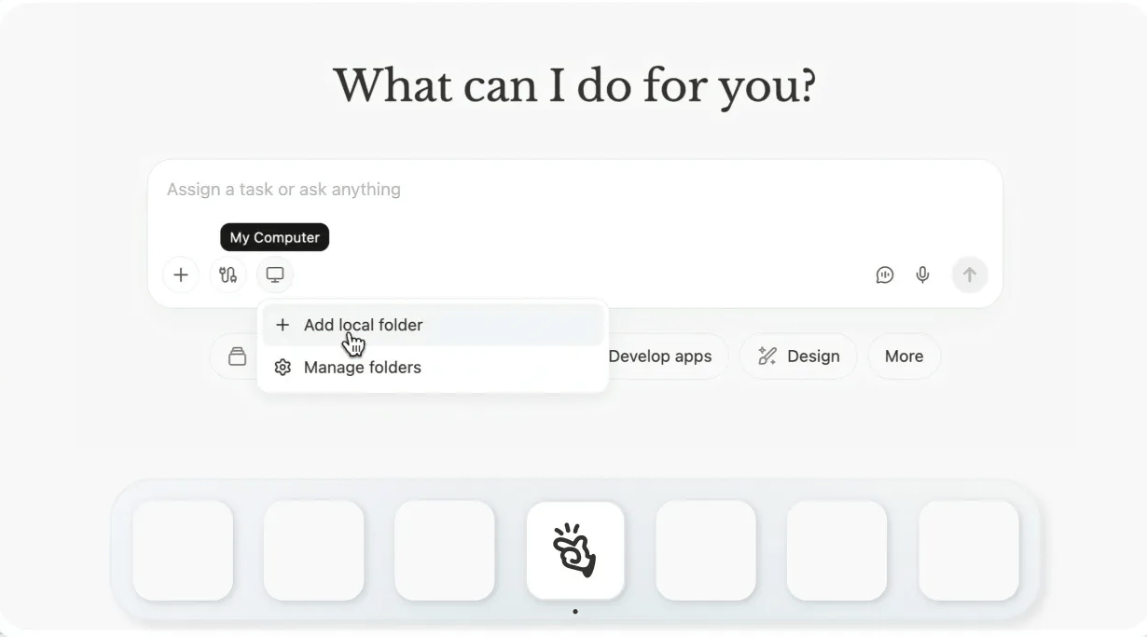
Manus now runs directly on your computer through terminal commands, giving it access to your files, apps, and tools, removing cloud limits, and enabling deeper automation across development, file management, and everyday workflows.
It can handle full workflows like organizing files, renaming documents, or even building apps using local tools. It also uses idle devices and GPUs, turning your machine into a remote AI worker you can trigger anytime.
🎨 Picsart Builds Agent Marketplace
Picsart introduces a marketplace where creators can “hire” AI agents for tasks like editing, resizing, and remixing content. These agents help manage workflows without constant manual input, shifting creators from doing to directing.
Some agents integrate with Shopify to analyze store performance and suggest improvements, while others work through apps like WhatsApp. Users can control how much autonomy agents have, keeping execution flexible and safe.
This shift toward execution-first AI is accelerating fast, with big players moving aggressively. Meta’s $2B acquisition of a Chinese agent startup and leadership hire signals how serious the race is. The takeaway is clear: agents are becoming core infrastructure, not optional tools.
Together with The Code
What 200K+ Engineers Read to Stay Ahead
Your GitHub stars won't save you if you're behind on tech trends.
That's why over 200K engineers read The Code to spot what's coming next.
Get curated tech news, tools, and insights twice a week
Learn about emerging trends you can leverage at work in just 5 mins a day
Become the engineer who always knows what's next
🔨AI Tools for the Shift
🎭 MascotVibe - Create animated, interactive mascots your users remember and instantly embed them into any app.
🤖 Base44 Superagents - Launch powerful AI agents instantly by simply describing what they should do, with infrastructure already built in.
📚 Citable - Help your brand earn trust and visibility in the AI discovery era with verified citations and credibility signals.
📝 Notra - Turn shipped work from GitHub, Linear, and Slack into ready-to-publish content automatically.
🎵 Nafy AI - Generate royalty-free music in seconds with an AI song creator that turns simple ideas into full
🚀Quick Shifts
🎮 NVIDIA launched DLSS 5, a generative AI-powered graphics update that enhances game visuals in real time by improving lighting, textures, and materials while preserving overall scene structure.
⚖️ Three teens are suing Elon Musk’s xAI, alleging Grok generated explicit deepfake content of minors, raising serious concerns about AI safety, testing failures, and accountability for harmful misuse.
🎯 OpenAI is refocusing on core priorities like coding and enterprise tools, scaling back experimental projects such as Sora and Atlas to concentrate on high-impact, revenue-driving AI products.
⚖️ Encyclopedia Britannica is suing OpenAI, alleging ChatGPT reproduces near-verbatim copyrighted content, raising concerns over AI training practices, traffic loss, and growing legal pressure from publishers.
⚠️ Palantir, a U.S.-based defense technology company, introduced its Maven Smart System, an AI-powered platform that enables rapid military targeting through a simplified interface with minimal manual steps.
🧩 Prompt of the Day
Dynamic Creative Strategy for Personalized Ads
Paste the prompt: Drop this into ChatGPT, then fill in your product, assets, and target audiences.
Prompt to paste
Create a dynamic ad creative strategy for [Insert brand, product, or campaign]. Include:

Text Variations: Provide multiple headline and body copy options designed to test different angles such as benefits, urgency, social proof, or problem-solution messaging.

Image/Video Options: List creative assets that can be dynamically combined with text variations. These may include product images, lifestyle photos, demo videos, UGC clips, testimonials, or before-and-after visuals.

Target Segments: Identify the audience groups that should receive different creative combinations. Examples may include new customers, returning buyers, high-intent visitors, or interest-based segments.

Optimization Approach: Explain how dynamic creative testing will identify the best-performing combinations across audiences and platforms.

Use Case: Focus on how dynamic creative improves ad relevance, personalization, and performance by delivering tailored messaging to different audience segments.
That’s all for today’s edition see you tomorrow as we track down and get you all that matters in the daily AI Shift!
If you loved this edition let us know how much:
How good and useful was today's edition |
Forward it to your pal to give them a daily dose of the shift so they can 👇
Reply