- The Shift AI
- Posts
- Your next AI device lives beside you
Your next AI device lives beside you
🎬 How to Make a Full Cinematic Ad End-to-End with Claude Code (No Editing Skills), Nvidia is building the operating system for physical AI, and more!
In partnership with


Hello there! Ready to dive into another upgrading, Mind-boggling, and Value-filled Shift?
Today we have:
🤖 Desk-based AI assistants move closer to daily use
🎬 How to Make a Full Cinematic Ad End-to-End with Claude Code
🤖 Nvidia is building the operating system for physical AI
🔨Tools and Shifts you cannot miss
🧩 Prompt of the Day
🤖 Desk-based AI assistants move closer to daily use
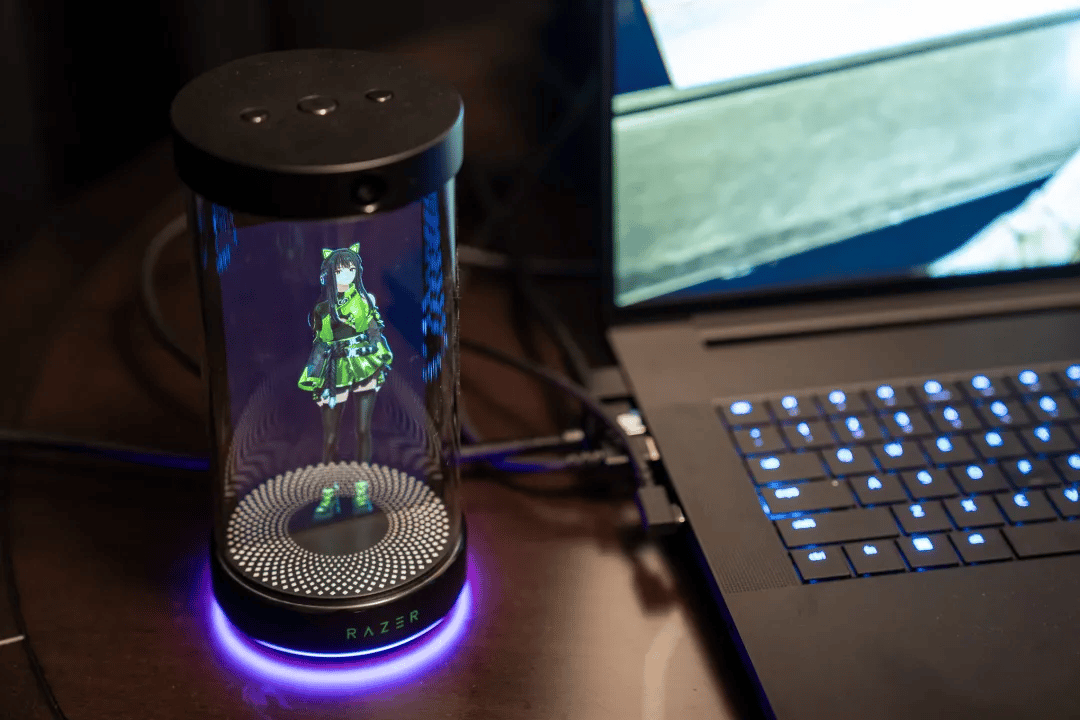
CES 2026 showed how AI assistants are moving off screens and onto desks. Companies focused on small, physical companions rather than large robots. The goal is constant presence without clutter.
The Shift:
1. Razer brings AI to the desk - Project Ava is Razer’s 5.5-inch holographic assistant built to sit on your desk. It watches your screen and responds in real time with gaming tips, problem-solving help, and general assistance.
Unlike a background app, Ava is designed to be seen. Its animated avatars, eye tracking, and facial expressions aim to make interactions feel more natural and engaging.
2. Vibe focuses on work - Vibe Bot targets office and meeting-room use, combining a smart webcam, voice assistant, and AI note-taker. It tracks speakers, records meetings, and supports live transcription.
Vibe Bot generates summaries and lets users query past conversations. The goal is to reduce note-taking and make meeting information easier to retrieve later.
Another signal of this shift is Loona’s DeskMate, which turns an iPhone into a rotating AI assistant while doubling as a charger. Together, these launches show desk AI is moving toward smaller, cheaper, and more practical companions that blend into daily work instead of demanding attention.
TOGETHER WITH GLADLY.AI
How much could AI save your support team?

Peak season is here. Most retail and ecommerce teams face the same problem: volume spikes, but headcount doesn't.
Instead of hiring temporary staff or burning out your team, there’s a smarter move. Let AI handle the predictable stuff, like answering FAQs, routing tickets, and processing returns, so your people focus on what they do best: building loyalty.
Gladly’s ROI calculator shows exactly what this looks like for your business: how many tickets AI could resolve, how much that costs, and what that means for your bottom line. Real numbers. Your data.
🎬 How to Make a Full Cinematic Ad End-to-End with Claude Code (No Editing Skills)
Insights from Deedy via X
Claude Code is badly named. It’s not “for code” it’s an orchestration brain that can plan, generate, and assemble an entire video automatically.

How this works
1. Describe the ad you want: Tell Claude the vibe, brand, duration, and number of shots. It writes the full script and shot list.
2. Let it orchestrate the tools: Claude coordinates:
Veo 3 for cinematic visuals
ElevenLabs for voiceover
Music sourcing and timing
ffmpeg to burn in text, logos, and final edits
3. Auto-assemble the final video: It downloads assets, syncs voice and music, stitches shots, and exports a finished ad, no timeline, no CapCut, no manual work.
The result: a 30-second, multi-shot, branded film made from scratch by instructions alone.
This isn’t “AI helps you edit.” This is AI directing, producing, and delivering the final cut.
🤖 Nvidia is building the operating system for physical AI
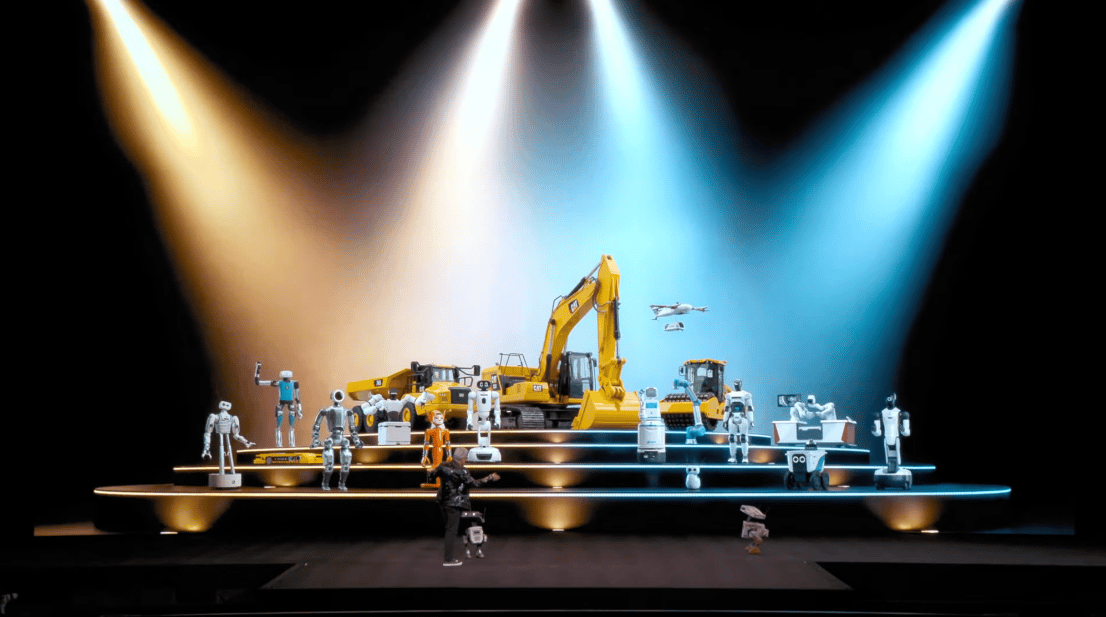
At CES 2026, Nvidia laid out a clear vision for the future of robotics and autonomous systems. The company unveiled new models, simulation tools, and chips designed to move AI into the physical world.
The Shift:
1. A full stack for generalist robots - Nvidia released open foundation models like Cosmos and Isaac GR00T that let robots reason, plan, and act across many tasks. Tools like Isaac Lab-Arena and OSMO aim to standardize how robots are trained and deployed.
Nvidia also launched Jetson T4000, which brings high-performance, low-power compute to robots at the edge, enabling advanced on-device intelligence without relying entirely on the cloud.
2. Rubin raises the performance ceiling - The new Rubin architecture replaces Blackwell with major gains in speed and efficiency. Nvidia says Rubin delivers 3.5× faster training and 5× faster inference, making large-scale AI workloads more viable.
With Alpamayo, Nvidia introduced open, chain-of-thought models that help vehicles reason through rare and complex driving scenarios. Developers can fine-tune the models and test them safely using simulation tools.
Nvidia is no longer just an AI hardware supplier. It’s assembling a full platform for robots, vehicles, and physical AI systems. If this ecosystem becomes the default, Nvidia could play the same foundational role for machines that Android plays for smartphones.
TOGETHER WITH NEURONS

Attention spans are shrinking. Get proven tips on how to adapt:
Mobile attention is collapsing.
In 2018, mobile ads held attention for 3.4 seconds on average.
Today, it’s just 2.2 seconds.
That’s a 35% drop in only 7 years. And a massive challenge for marketers.
The State of Advertising 2025 shows what’s happening and how to adapt.
Get science-backed insights from a year of neuroscience research and top industry trends from 300+ marketing leaders. For free.
🔨AI Tools for the Shift
🎨 StockCake – Generate unique artwork illustrations and photorealistic images from text using AI.
📣 Munch Studio – Automate your social media presence with AI to save time, mone,y and effort.
📈 Kensaku AI – Scale winning SEO content patterns into hundreds of pages that rank and drive traffic automatically.
🗣️ Pickle – Use real-time AI voice clones that lip sync to you during live calls.
🖼️ Hocha AI – Create professional-quality images instantly with free credits and no login required.
🚀Quick Shifts
✨ Lenovo just unveiled concept AI glasses at CES, lightweight frames with a tiny 2MP camera, green monochrome displays, voice controls, and PC tethering, but a confusing mix of specs and unclear use cases.
💰 Elon Musk’s xAI just closed a massive $20B Series E round, surpassing its $15B goal, as Grok 5 trains amid global backlash over the model generating non-consensual sexual deepfakes.
🎵 Universal Music Group just inked a major AI partnership with Nvidia, extending Nvidia’s Music Flamingo model to one of the world’s largest music catalogs and pushing “responsible AI,” not AI slop.
📉 McKinsey + General Catalyst say the “learn once, work forever” era is dead, AI now demands lifelong re-skilling, judgment, and creativity as enterprise adoption accelerates but returns lag.
🚫 California proposes a four-year ban on AI chatbot toys for kids, aiming to pause the market after repeated safety failures and alarming chatbot interactions involving harm, suicide, and inappropriate content.
🧩 Prompt of the Day
How to Identify High-Fit Brand Partnerships Using One Prompt
Turn random outreach and one-off collabs into strategic partnerships that expand reach and create real mutual value.
Paste the prompt: Drop this into ChatGPT, then fill the placeholders with your brand’s values, goals, and the type of audience you want to reach through partnerships.
Prompt to paste
Identify potential brand partners that align with [Insert brand values or goals]. For each partner, include the Partner's name, the Partnership opportunity (specific collaboration idea), and the Mutual benefits for both brands. Output 5 partnership ideas with a short explanation of why the fit makes sense, what each brand contributes, and how success should be measured.
That’s all for today’s edition see you tomorrow as we track down and get you all that matters in the daily AI Shift!
If you loved this edition let us know how much:
How good and useful was today's edition |
Forward it to your pal to give them a daily dose of the shift so they can 👇
Reply